Environmental organisations slam Waste Fund's plan for deposit return scheme on cans
Last week, the Waste Fund (Afvalfonds) published its plan for the roll-out of a deposit system on cans. Because supermarkets persistently refuse to accept the cans, the business sector is now proposing to arrange the collection outside of supermarkets. This system is intended to develop into so-called 'circular hubs'. Recycling Netwerk Benelux, Natuur & Milieu, Plastic […]
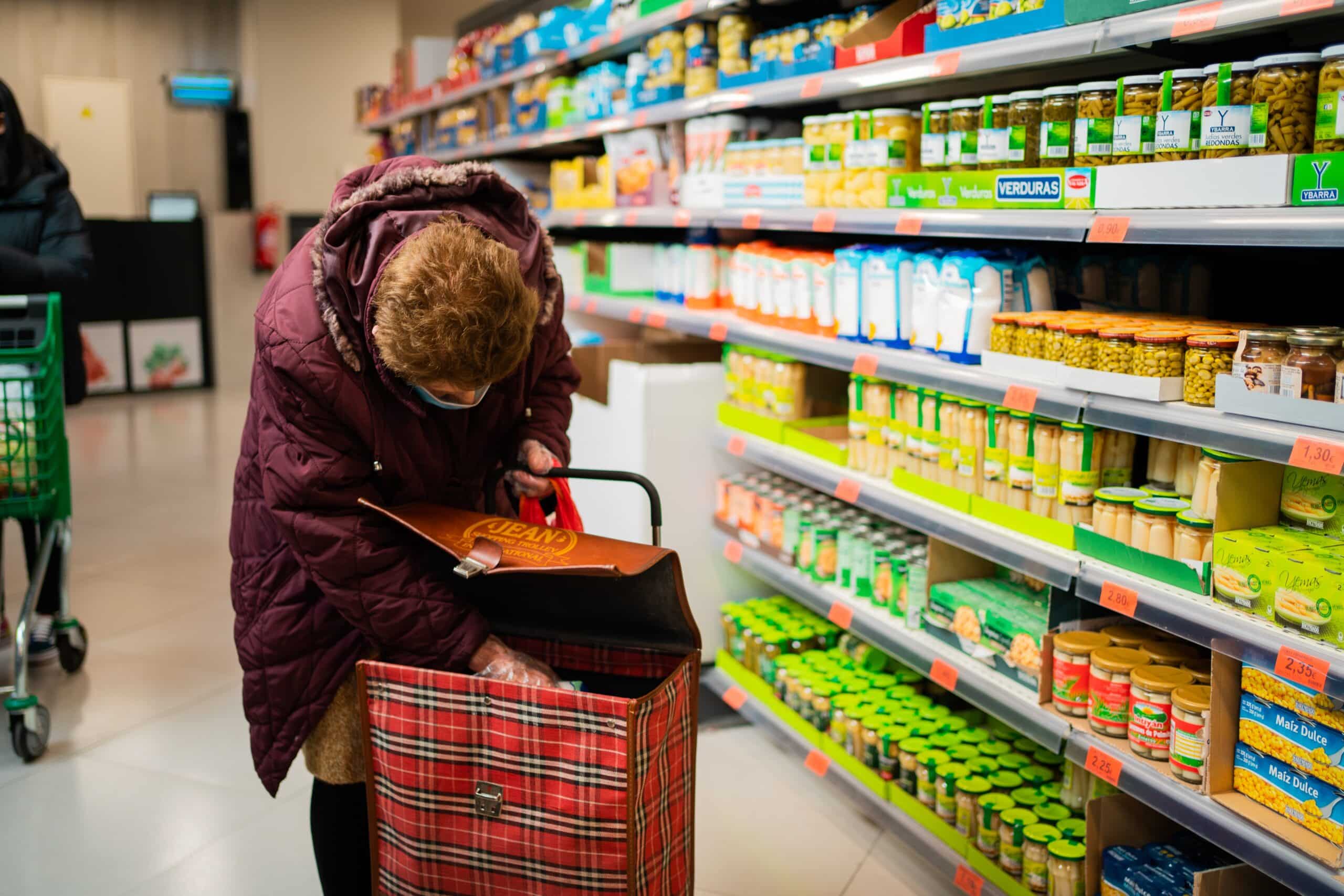
Last week, the Afvalfonds (Waste Fund) published its plan for the rollout of deposits on cans. Since supermarkets persistently refuse to take back the cans, the business sector is now proposing to arrange the collection outside supermarkets. This system should evolve into so-called 'circular hubs'. Recycling Netwerk Benelux, Natuur & Milieu, Plastic Soup Foundation, Stichting De Noordzee, Plastic Soup Surfer and Greenpeace have no confidence in the plan.
From 31 December 2022, there will be a deposit on cans and a proper collection system must be in place. At least 90% of the cans must be collected separately. This was decided by the previous State Secretary for Infrastructure and Water Management, Stientje van Veldhoven (D66), in February this year. With the Afvalfonds' plan, achieving the statutory targets will be impossible and the environment will suffer, the environmental organizations fear.
Business plan
Supermarkets refuse to collect cans in-store, which is why the business community now proposes to look for locations 'near' shops. What they mean by 'near' is unclear. It is already clear, however, that the plan represents a step backwards for consumers. 89 % of consumers want to be able to return cans to the point of sale. But under the Afvalfonds' proposal, consumers will have to return packaging to different locations. There are also far fewer places where consumers can return their empty cans: 3,000 locations compared to the 5,500 supermarkets where bottles can currently be returned. And this is despite the fact that nearly 2.5 times as many cans as bottles are placed on the market.
Consumer-unfriendly
Rob Buurman, director of Recycling Netwerk, foresees major problems in achieving the targets for cans: “A system with even fewer return points than is currently the case for bottles will never meet the litter and recycling targets for cans. The concept is also anything but consumer-friendly. Consumers can return their plastic deposit bottles to all supermarkets, but are sent to a different location for cans. There is no other country where the deposit system is set up this way. It is therefore a major assumption that consumers will just go along with this.”
“The idea for 'circular hubs' sounds very nice, but the concept is not worked out in any way. This does not read like a well-developed, long-term plan, but merely as a poorly thought-out excuse to keep cans out of supermarkets,” says Jelmer Vierstra of Natuur & Milieu.
Time-consuming process
It is also questionable whether locations outside stores can be realized in the short term at all. The business sector is highly dependent on property owners and municipal permits. “There is a high chance that consumers will have virtually nowhere to return their cans in the first few months, while they will have to pay deposits on them immediately. We already see this to a limited extent with bottles, which, for example, you still cannot return at train stations,” says Buurman.
The business sector states in its plan that supermarkets are a 'fallback option' if it turns out next spring that the legal deadline of 31 December 2022 is not feasible after all. Given that this fallback option has not been worked out and no agreements have been made on when it would be chosen, there is also no guarantee that supermarkets will collect the cans in the end.
Mandatory take-back
The fact that supermarkets can refuse to take back cans is because the previous government decided to remove the mandatory take-back for retail points from the 2014 Packaging Management Decree. “While in other countries such as Germany and Denmark up to 90% of cans are successfully collected through supermarkets, the Dutch government gave the business sector room to sulk and delay,” the environmental organizations state. However, we had warned the government multiple times. If a well-functioning and consumer-friendly deposit system is not operational on 31 December 2022, this will be partly due to the stubborn attitude of the business community and partly due to this policy choice of the cabinet.
Politics
The environmental organizations are counting on the House of Representatives and the new cabinet to re-introduce the mandatory take-back for retail points for all deposit packaging into the law. “Only then do we have the guarantee that by the end of next year, there will be a robust deposit system that achieves collection and litter goals and safeguards the environment from cans,” conclude the environmental organizations Recycling Netwerk, Natuur & Milieu, Plastic Soup Foundation, Stichting De Noordzee, Plastic Soup Surfer, and Greenpeace.
In the media
MSN, Plan voor inzameling blikjes rammelt volgens milieuorganisaties, 22 December 2021
AfvalOnline, Milieuorganisaties voorzien problemen bij blikjes plan
Last week, the Afvalfonds published its plan for the rollout of deposits on cans. Since supermarkets persistently refuse to take back the cans, the business sector is now proposing to arrange the collection outside supermarkets. This system should evolve into so-called 'circular hubs'. Recycling Netwerk Benelux, Natuur & Milieu, Plastic Soup Foundation, Stichting De Noordzee, Plastic Soup Surfer and Greenpeace have no confidence in the plan.
From 31 December 2022, there will be a deposit on cans and a proper collection system must be in place. At least 90% of the cans must be collected separately. This was decided by the previous State Secretary for Infrastructure and Water Management, Stientje van Veldhoven (D66), in February this year. With the Afvalfonds' plan, achieving the statutory targets will be impossible and the environment will suffer, the environmental organizations fear.
Business plan
Supermarkets refuse to collect cans in-store, which is why the business community now proposes to look for locations 'near' shops. What they mean by 'near' is unclear. It is already clear, however, that the plan represents a step backwards for consumers. 89 % of consumers want to be able to return cans to the point of sale. But under the Afvalfonds' proposal, consumers will have to return packaging to different locations. There are also far fewer places where consumers can return their empty cans: 3,000 locations compared to the 5,500 supermarkets where bottles can currently be returned. And this is despite the fact that nearly 2.5 times as many cans as bottles are placed on the market.
Consumer-unfriendly
Rob Buurman, director of Recycling Netwerk, foresees major problems in achieving the targets for cans: “A system with even fewer return points than is currently the case for bottles will never meet the litter and recycling targets for cans. The concept is also anything but consumer-friendly. Consumers can return their plastic deposit bottles to all supermarkets, but are sent to a different location for cans. There is no other country where the deposit system is set up this way. It is therefore a major assumption that consumers will just go along with this.”
“The idea for 'circular hubs' sounds very nice, but the concept is not worked out in any way. This does not read like a well-developed, long-term plan, but merely as a poorly thought-out excuse to keep cans out of supermarkets,” says Jelmer Vierstra of Natuur & Milieu.
Time-consuming process
It is also questionable whether locations outside stores can be realized in the short term at all. The business sector is highly dependent on property owners and municipal permits. “There is a high chance that consumers will have virtually nowhere to return their cans in the first few months, while they will have to pay deposits on them immediately. We already see this to a limited extent with bottles, which, for example, you still cannot return at train stations,” says Buurman.
The business sector states in its plan that supermarkets are a 'fallback option' if it turns out next spring that the legal deadline of 31 December 2022 is not feasible after all. Given that this fallback option has not been worked out and no agreements have been made on when it would be chosen, there is also no guarantee that supermarkets will collect the cans in the end.
Mandatory take-back
The fact that supermarkets can refuse to take back cans is because the previous government decided to remove the mandatory take-back for retail points from the Besluit Beheer Verpakkingen 2014 (Packaging Management Decree). “While in other countries such as Germany and Denmark up to 90% of cans are successfully collected through supermarkets, the Dutch government gave the business sector room to sulk and delay,” the environmental organizations state. However, we had warned the government multiple times. If a well-functioning and consumer-friendly deposit system is not operational on 31 December 2022, this will be partly due to the stubborn attitude of the business community and partly due to this policy choice of the cabinet.
Politics
The environmental organizations are counting on the House of Representatives and the new cabinet to re-introduce the mandatory take-back for retail points for all deposit packaging into the law. “Only then do we have the guarantee that by the end of next year, there will be a robust deposit system that achieves collection and litter goals and safeguards the environment from cans,” conclude the environmental organizations Recycling Netwerk, Natuur & Milieu, Plastic Soup Foundation, Stichting De Noordzee, Plastic Soup Surfer, and Greenpeace.
In the media
MSN, Plan voor inzameling blikjes rammelt volgens milieuorganisaties, 22 December 2021
AfvalOnline, Milieuorganisaties voorzien problemen bij blikjesplan Afvalfonds AfvalOnline, 22 December 2021
VNG Nieuws, http://www.vngnieuws.nl/nieuws/redactie/plan-inzamelen-statiegeldblikjes-schiet-doel-voorbij, 22 December 2021
Nieuws.nl, https://nieuws.nl/algemeen/20211222/plan-voor-inzameling-blikjes-rammelt-volgens-milieuorganisaties/, 22 December 2021
Reformatorisch Dagblad, Plan voor inzameling blikjes rammelt volgens milieuorganisaties, 22 December 2021
Natuur & Milieu, Milieuorganisaties kraken plan Afvalfonds over de inzameling van blikjes met statiegeld | Natuur & Milieu, 22 December 2021
FoodHolland, FoodHolland Nieuws: Milieuorganisaties wijzen plan Afvalfonds over inzameling statiegeldblikjes af, 22 December 2021
Dagblad van het Noorden, https://dvhn.nl/binnenland/Plan-voor-inzameling-blikjes-rammelt-volgens-milieuorganisaties-27357263.html, 22 December 2021
Levensmiddelenkrant, https://www.levensmiddelenkrant.nl/levensmiddelenkrant/nieuws/milieuorganisaties-en-mvn-oneens-met-inzamelingsplan-afvalfonds, 22 December 2021
Distrifood, Verpakkingsclub hekelt plan Afvalfonds: Drankblikjes ook inleveren in supers, 22 December 2021
Klimaatweb, Milieuorganisaties kritisch op plan Afvalfonds over de inzameling van blikjes met statiegeld, 22 December 2021
NOS Radio 1 Journaal, Kritiek op plan inzameling statiegeld op blikjes, 23 December 2021
This page is automatically translated. A human review will follow soon.