Farmers return cans from the meadows to the politicians
On Thursday 18 April, ahead of the first silage cut, ABS farmers in Maarkedal will collect all the cans and plastic they find in their fields. With this action, they are calling for the immediate introduction of a deposit return scheme in the next coalition agreement. Beverage cans that end up in the grass are a real plague for livestock farmers. If, during [...]
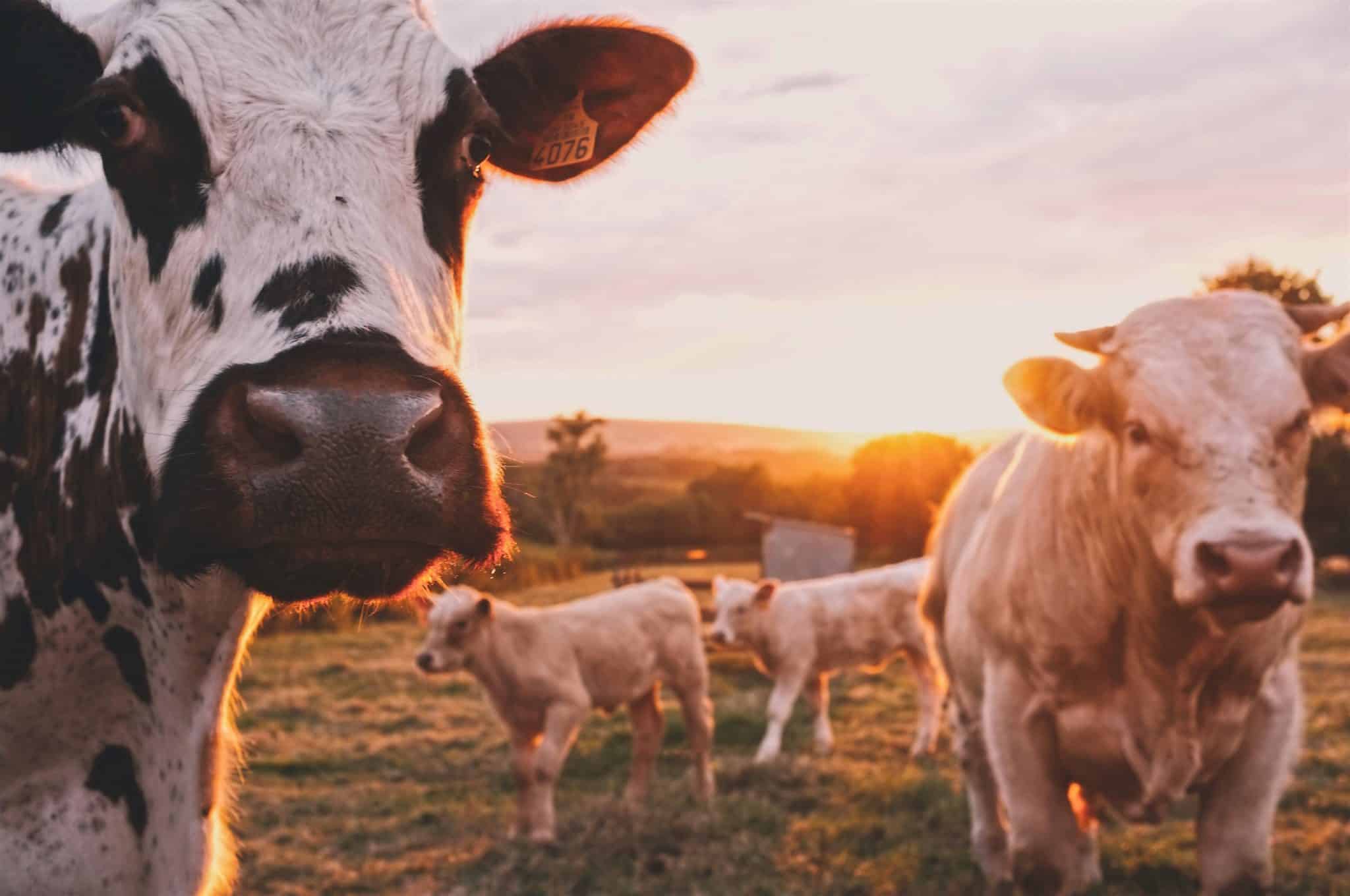

On Thursday 18 April, ahead of the first silage cut, ABS farmers in Maarkedal are gathering all the cans and plastic they find in their fields. With this action, they are calling for the immediate introduction of a deposit return scheme in the next coalition agreement.
Drink cans that end up in the grass are a real plague for livestock farmers. If a can is mowed during harvesting, sharp pieces of metal end up in the cattle feed. As a result, the cows suffer from 'hardware disease', injuries and infections in the stomach. This makes them sick, sometimes resulting in death. Hardware disease caused by pieces of can affects thousands of cows per year, according to the study "Als blikken konden doden" (If cans could kill). It is estimated that this costs the Flemish livestock sector between 4.5 and 6.8 million euros annually.
Farmers lose a lot of time cleaning up their hectares of pasture. Moreover, new cans keep appearing. It is like mopping with the tap running. It is therefore virtually impossible for farmers to detect and clean up all the cans. However, there is a heavy price to pay for overlooking a single can.
With a deposit return scheme on cans, 70 to 90 per cent fewer would end up in litter. That is why the farmers' organisation Algemeen Boerensyndicaat has been asking the Flemish government to introduce a deposit return scheme since last year. Since then, however, there is still no concrete plan to tackle cans in litter.
Beverage producers and especially the supermarket sector are lobbying heavily against a deposit return scheme. As a result, N-VA and Open VLD blocked its introduction in the Flemish government. With this action, the ABS is showing how much drink packaging lies alongside just a few pastures. A deposit return scheme helps to effectively reduce this pollution, and thus also the animal suffering and the costs that come with it.
The Algemeen Boerensyndicaat (ABS) is carrying out this Back to Sender campaign side-by-side with the environmental organisation Recycling Netwerk Benelux. The collected cans and bottles will be sent Back to Sender at a later date. By sending back the cans, the farmers call on N-VA and Open VLD to stop their opposition to a deposit return scheme.
“It doesn't happen every day that farmers and environmental organisations pull the same string. But litter, 40 per cent of which is cans and plastic bottles, bothers everyone. It causes plastic soup and injuries to animals. A deposit return scheme is a simple solution that costs the consumer nothing. Our patience is gradually running out. Together, we strongly urge the Flemish government to include the immediate introduction of a deposit return scheme on plastic bottles and drink cans in the next coalition agreement,” the two organisations conclude together.
See also:
VRT Nieuws, "Remove litter from the food chain", farmers ask politicians to introduce deposit return scheme immediately, 19 April 2019
Het Laatste Nieuws, “Farmers send cans back to politicians: “Our cows are dying because of them, a deposit return scheme is the solution”, 19 April 2019
Het Nieuwsblad, Farmers ask for the introduction of a deposit return scheme: "Cans in verges kill 2,500 cows every year", 19 April 2019
VRT Radio 1, De Wereld Vandaag, Interview with ABS chairman Hendrik Vandamme, 18 April 2019
AVS journaal, Farmers send waste back to politicians
On Thursday 18 April, ahead of the first silage cut, ABS farmers in Maarkedal are gathering all the cans and plastic they find in their fields. With this action, they are calling for the immediate introduction of a deposit return scheme in the next coalition agreement.
This page is automatically translated. A human review will follow soon.



