The anti-deposit lobby: why you have to wait so long at the bottle return machine
The introduction of deposits on small bottles and cans has faced opposition in recent years from the powerful anti-deposit lobby. This is revealed in a reconstruction by the Financieel Dagblad (FD).
This article is published on the Weeffouten website. The introduction of deposits on small bottles and cans has faced opposition from the powerful anti-deposit lobby in recent years. This is revealed by a reconstruction by the Financieel Dagblad (FD). Those involved describe the attitude of supermarkets and beverage manufacturers as 'meestribbelen' (cooperative resistance). The dossier also shows an unequal lobbying playing field. After 22 years, the lobby appears to have been in vain; a broader deposit system is being introduced anyway. However, the implementation is a mess. The end-user is left to deal with the negative effects. It has now become a common complaint: the broken deposit machine in supermarkets. People who come to return empty bottles and cans cannot get rid of them or have to wait a long time. Cans litter the streets and the Netherlands is nowhere near achieving its recycling target of 90%. The deposit system is therefore still not working properly. This is the sad result of a long-term lobby by manufacturers and supermarkets. By downplaying the problem, proposing futile alternatives and active delaying, they got their way for a long time, according to a reconstruction by the Financieel Dagblad (FD). The lobbying strategy: 'meestribbelen' This dossier goes back to 2001, when Minister Jan Pronk (PvdA) of Housing, Spatial Planning and the Environment made a first move to also levy deposits on small bottles and cans. He received support from the House of Representatives for this expansion of the deposit system. The MPs saw the necessity, but consultations with the business community had to take place first. They decided to resist fiercely. The resistance was mainly driven by the cost aspect. Supermarkets have to make investments and sacrifice retail space to meet the proposed obligations. This cost consideration resulted in an anti-deposit lobby with years of delaying tactics. The supermarkets and beverage producers adopted an attitude characterised by those involved as 'meestribbelen'. In this case, the strategy included a lot of consultation, a little cooperation, regularly presenting alternatives, and heavy lobbying in the background to stop the system, the FD writes. It is a well-known lobbying strategy to distract, present alternatives and actively oppose at the same time. According to former CU MP Carla Dik-Faber, it was an unfair fight. 'We were trying to maintain the deposit system with a faction of five people, while the intense lobby of supermarkets and the beverage industry gained a foothold at the powerful ministry,' she tells the FD. Lousewies van der Laan, director of TI-NL, is concerned about the "meestribbelen": 'This dossier is a good example of the unequal lobbying playing field in the Netherlands. It is essential that politicians and civil servants are aware of such delaying and distraction strategies and increase their resilience against them. This could be organised, for example, by creating more transparency through a lobby register. Circular hubs as a panacea An example of a futile cooperative-resistance solution was the idea of circular hubs. This idea came from the Waste Fund (now Verpact), an advocate for beverage products and supermarkets. These hubs would be placed on public roads and squares and collect the cans and small bottles, so that supermarkets would no longer have to do this. The idea immediately met with a lot of criticism from civil society organisations. The 'deposit dixis' would take up too much public space and it was unclear who would maintain them. The beverage products themselves were also not in favour, but were put under such pressure by the supermarkets within the Waste Fund that they eventually gave in. Ultimately, this plan was only abandoned after intervention by the municipalities, which were not prepared to grant the necessary permits. The circular hubs plan shows how an unrealistic idea can keep people busy for far too long. This is one of the strategies within 'meestribbelen'. Only after a definitive no from the municipalities did the supermarkets announce that they would start collecting cans from 2023 – with great reluctance, 22 years after the expansion of the deposit system was proposed. However, it is highly questionable whether the collection target will be met on time. The Human Environment and Transport Inspectorate issued a fine, which was successfully challenged by the anti-deposit lobby. A senior official puts it as follows in the FD: 'First, the business community argued among themselves for a year and a half and made no progress. Then they said: we can't get it done on time.' Verpact only expects to be able to meet the 90% target in 2026. Rob Buurman, director of the Fair Re
This article is published on the Weeffouten website.
The introduction of deposits on small bottles and cans has faced opposition from the powerful anti-deposit lobby in recent years. This is revealed by a reconstruction by the Financieel Dagblad (FD). Those involved describe the attitude of supermarkets and beverage manufacturers as 'meestribbelen'. The dossier also shows an unequal lobbying playing field. After 22 years, the lobby appears to have been in vain; a broader deposit system is being introduced anyway. However, the implementation is a mess. The end-user is left to deal with the negative effects.
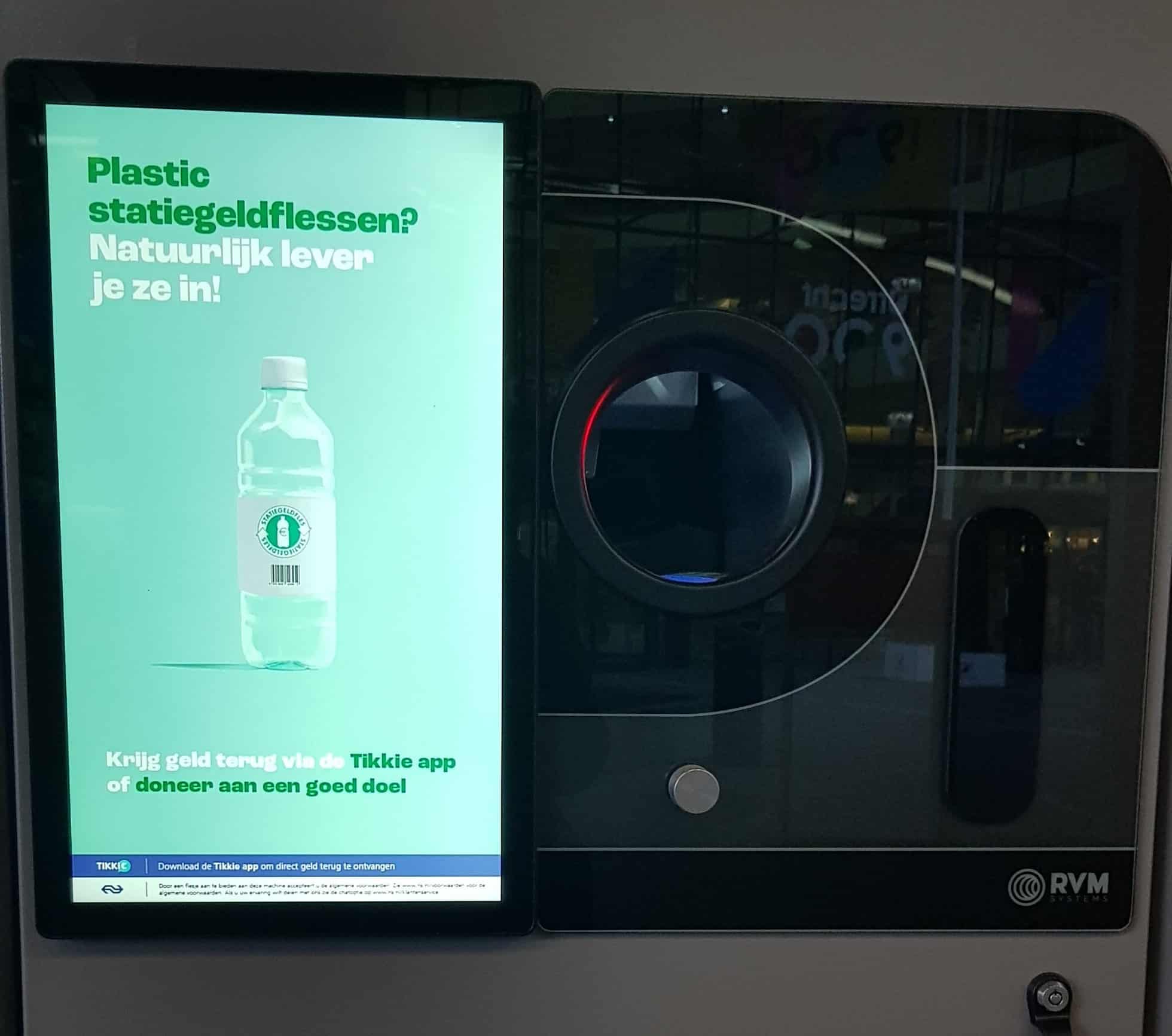
It has now become a common complaint: the broken deposit machine in supermarkets. People who come to return empty bottles and cans cannot get rid of them or have to wait a long time. Cans litter the streets and the Netherlands is nowhere near achieving its recycling target of 90%. The deposit system is therefore still not working properly. This is the sad result of a long-term lobby by manufacturers and supermarkets. By downplaying the problem, proposing futile alternatives and active delaying, they got their way for a long time, according to a reconstruction by the Financieel Dagblad (FD).
The lobbying strategy: 'meestribbelen'
This dossier goes back to 2001, when Minister Jan Pronk (PvdA) of Housing, Spatial Planning and the Environment made a first move to also levy deposits on small bottles and cans. He received support from the House of Representatives for this expansion of the deposit system. The MPs saw the necessity, but consultations with the business community had to take place first.
They decided to resist fiercely. The resistance was mainly driven by the cost aspect. Supermarkets have to make investments and sacrifice retail space to meet the proposed obligations. This cost consideration resulted in an anti-deposit lobby with years of delaying tactics.
The supermarkets and beverage producers adopted an attitude characterised by those involved as 'meestribbelen'. In this case, the strategy included a lot of consultation, a little cooperation, regularly presenting alternatives, and heavy lobbying in the background to stop the system, the FD writes. It is a well-known lobbying strategy to distract, present alternatives and actively oppose at the same time.
According to former CU MP Carla Dik-Faber, it was an unfair fight. 'We were trying to maintain the deposit system with a faction of five people, while the intense lobby of supermarkets and the beverage industry gained a foothold at the powerful ministry,' she tells the FD.
Lousewies van der Laan, director of TI-NL, is concerned about the "meestribbelen": 'This dossier is a good example of the unequal lobbying playing field in the Netherlands. It is essential that politicians and civil servants are aware of such delaying and distraction strategies and increase their resilience against them. This could be organised, for example, by creating more transparency through a lobby register.
Circular hubs as a panacea
An example of a futile cooperative-resistance solution was the idea of circular hubs. This idea came from the Waste Fund (now Verpact), an advocate for beverage products and supermarkets. These hubs would be placed on public roads and squares and collect the cans and small bottles, so that supermarkets would no longer have to do this.
The idea immediately met with a lot of criticism from civil society organisations. The 'deposit dixis' would take up too much public space and it was unclear who would maintain them. Also, the beverage products themselves were not in favour, but were put under such pressure by the supermarkets within the Waste Fund that they eventually gave in. Ultimately, this plan was only abandoned after intervention by the municipalities, which were not prepared to grant the necessary permits.
The circular hubs plan shows how an unrealistic idea can keep people busy for far too long. This is one of the strategies within 'meestribbelen'. Only after a definitive no from the municipalities did the supermarkets announce that they would start collecting cans from 2023 – with great reluctance, 22 years after the expansion of the deposit system was proposed.
However, it is highly questionable whether the collection target will be met on time. The Human Environment and Transport Inspectorate issued a fine, which was successfully challenged by the anti-deposit lobby. A senior official puts it as follows in the FD: 'First, the business community argued among themselves for a year and a half and made no progress. Then they said: we can't get it done on time.' Verpact expects only to be able to meet the 90% target in 2026.
Rob Buurman, director of the Fair Resource Foundation, has been following the dossier for years: 'There is a massive flaw in our democracy with significant social consequences. This lobby has caused unnecessary delay and extra environmental pollution. Citizens should be able to assume that the government takes environmental measures in such a way that they are also good for citizens. Now it is mainly the burdens that fall on nature, society, and citizens.'
Related tags
This page is automatically translated. A human review will follow soon.



