Less litter on the streets with deposits - also in Belgium
With deposits we give value to waste, which means people do not just leave it behind. This reduces pollution from litter and the waste of raw materials. A well-functioning deposit system is clear to the consumer. That is what Fair Resource Foundation is committed to, both in the Netherlands and Belgium.

Deposit return scheme in Belgium: a no-brainer (that is already way overdue)
Belgians have been used to deposits on glass bottles for decades. A large majority of citizens are in favour of extending the system to cans and plastic bottles. This does not come out of nowhere, as litter is a huge annoyance for many people.
Belgians already recycle at home using the 'blue bag', but not all packaging ends up in it. By 2029, European regulations require Belgium to collect at least 90% of all cans and plastic bottles separately. This improves the quality of recycling and reduces our dependence on new fossil raw materials.
Today, we are still (far) from achieving these targets. Different policies are urgently needed to avoid European fines. So why are Belgian politicians still dragging their feet? Active lobbying by the business community has been doing what we call 'cooperating under protest' for years: they pretend to cooperate, but are actually aiming for cancellation.
It is high time that major beverage producers and Belgian supermarkets take responsibility and commit to an efficient and accessible deposit return scheme that works for everyone. Deposit return schemes are a proven effective way to prevent damage caused by litter: to animals and nature, and in cities and municipalities. Because they are currently bearing the costs of cleaning it up.
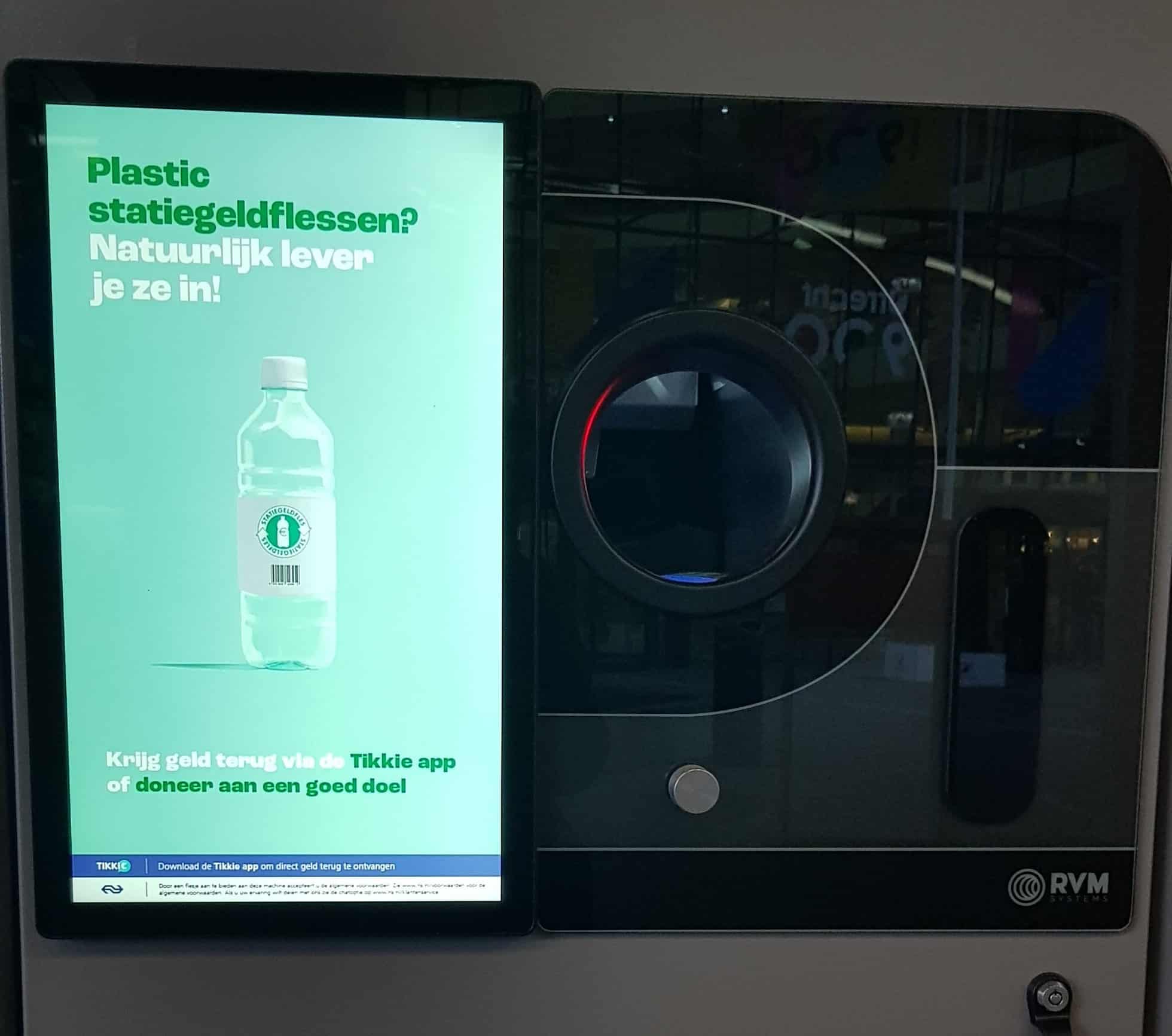
Examples from neighbouring countries show that deposit return schemes work: they lead to less litter (up to 80% fewer bottles and cans in the Netherlands), an increase in collection, and recouped investments.
This is why Fair Resource Foundation, as a co-founder of the Statiegeldalliantie (Deposit Alliance), has been working for years to introduce deposit return schemes in Belgium. Germany started 20 years ago, the Netherlands 5 years ago, and France recently announced its introduction. Belgium cannot and must not be left behind alone.