
Latest publications
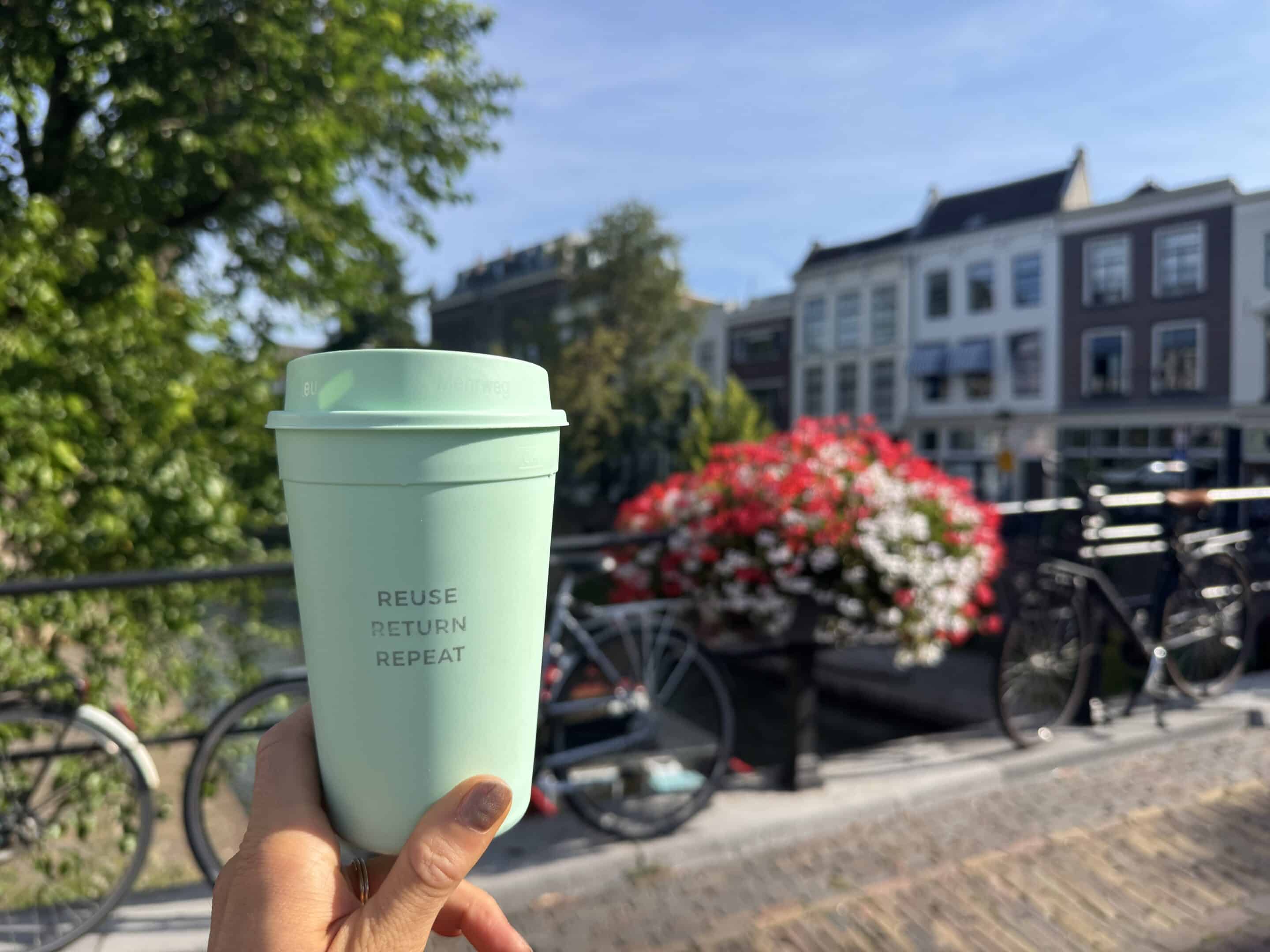
Less empty space, less packaging waste and no more PFAS: FRF applauds new EU rules on packaging
@ET-DC@eyJkeW5hbWljIjp0cnVlLCJjb250ZW50IjoicG9zdF90aXRsZSIsInNldHRpbmdzIjp7ImJlZm9yZSI6IiIsImFmdGVyIjoiIiwiZW5hYmxlX2h0bWwiOiJvZmYifX0=@ Utrecht, August 2026 – On 12 August, the EU’s Packaging and Packaging Waste Regulation (PPWR) becomes applicable across all 27 Member States. Fair Resource Foundation (FRF) celebrates this day as the moment Europe finally starts turning off the tap on throwaway packaging, setting course towards less packaging and reuse systems. Today, for the first time, prevention and reuse become legally binding targets of EU packaging law. Deceptive partially empty
Read more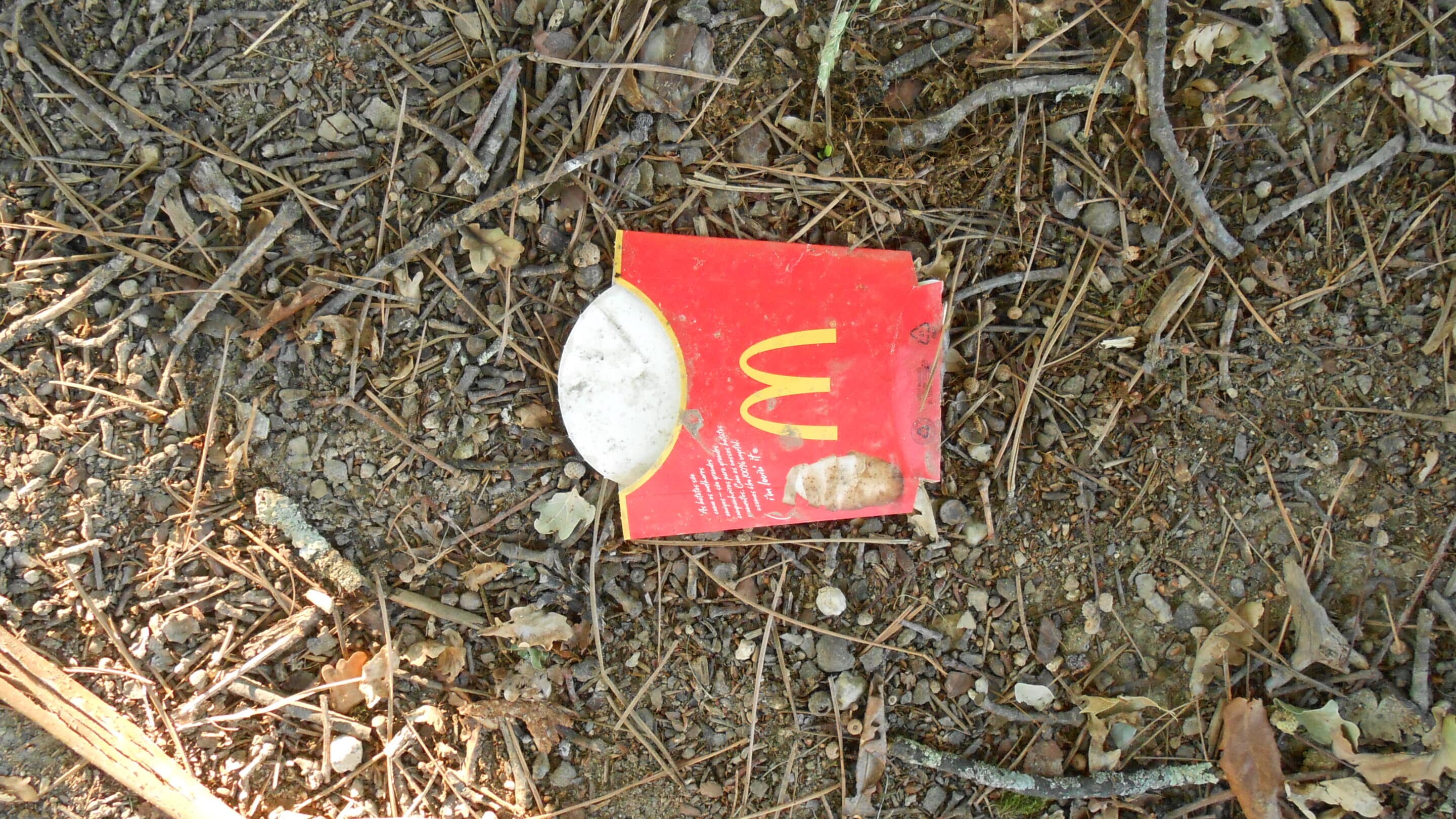
Multinationals aim to sabotage new EU rules against single-use packaging, we try to stop them
Three months before the introduction of new European legislation aimed at reducing single-use packaging, increasing reuse and banning toxic PFAS in food packaging (the Packaging and Packaging Waste Regulation, PPWR), multinationals are attempting to block the rules. Whilst the world is increasingly overwhelmed by packaging waste, 138 CEOs – including those of Heineken, McDonald’s, Coca-Cola, Red Bull, Mondeléz and Kraft Heinz – are once again lobbying via a leaked letter
Read more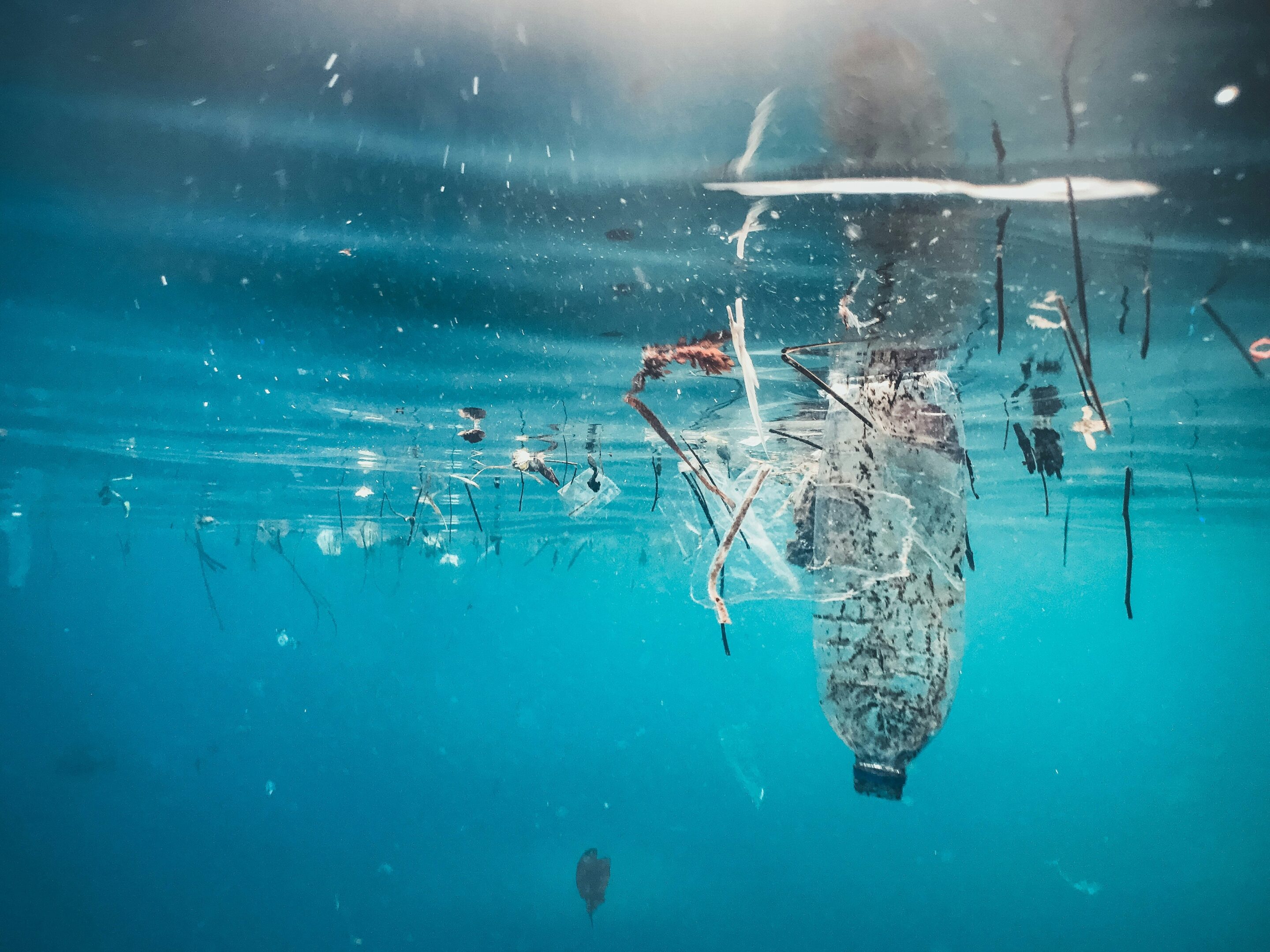
Call for Evidence – Single-Use Plastic Directive Consultation
Fair Resource Foundation advocates for clear EU rules on single-use plastics. In our contribution to the Call for Evidence for the revision of the Single-Use Plastics Directive (SUPD), we emphasize the need for uniform guidelines across member states, such as mandatory reuse systems and product bans. We urge a ban on toxic plastic additives and an expansion of the directive to include items like cigarette filters, disposable vapes, and candy
Open document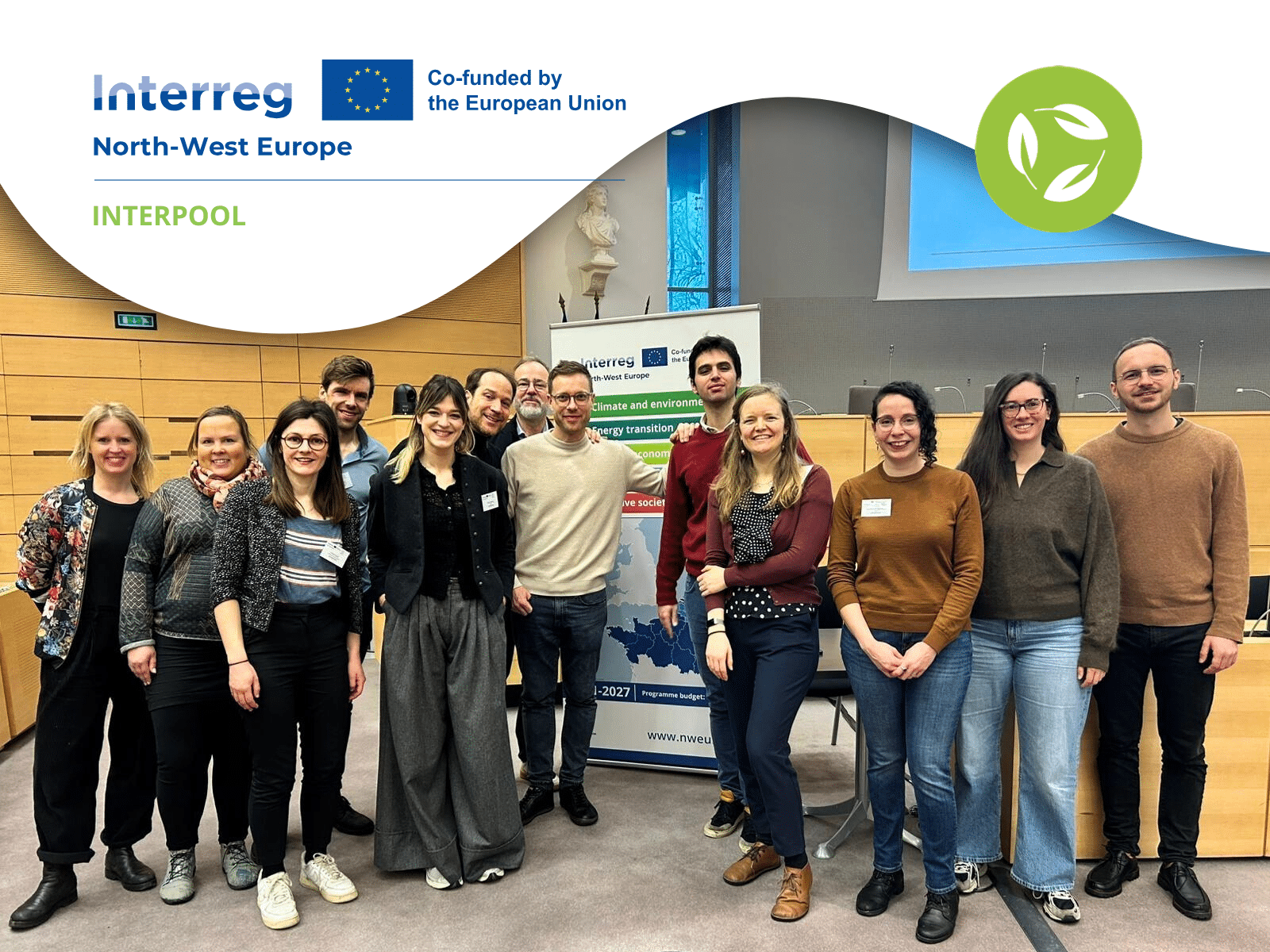
INTERPOOL: International collaboration to scale up reuse of glass
We want to show the world that there is a more sustainable alternative to throwing away glass bottles and jars. Together with European partners, Fair Resource Foundation is therefore launching INTERPOOL: a cross-border project to facilitate a joint reuse system for glass bottles and jars. In doing so, INTERPOOL contributes to a faster transition to a circular packaging chain and supports the EU’s ambitions in this area.
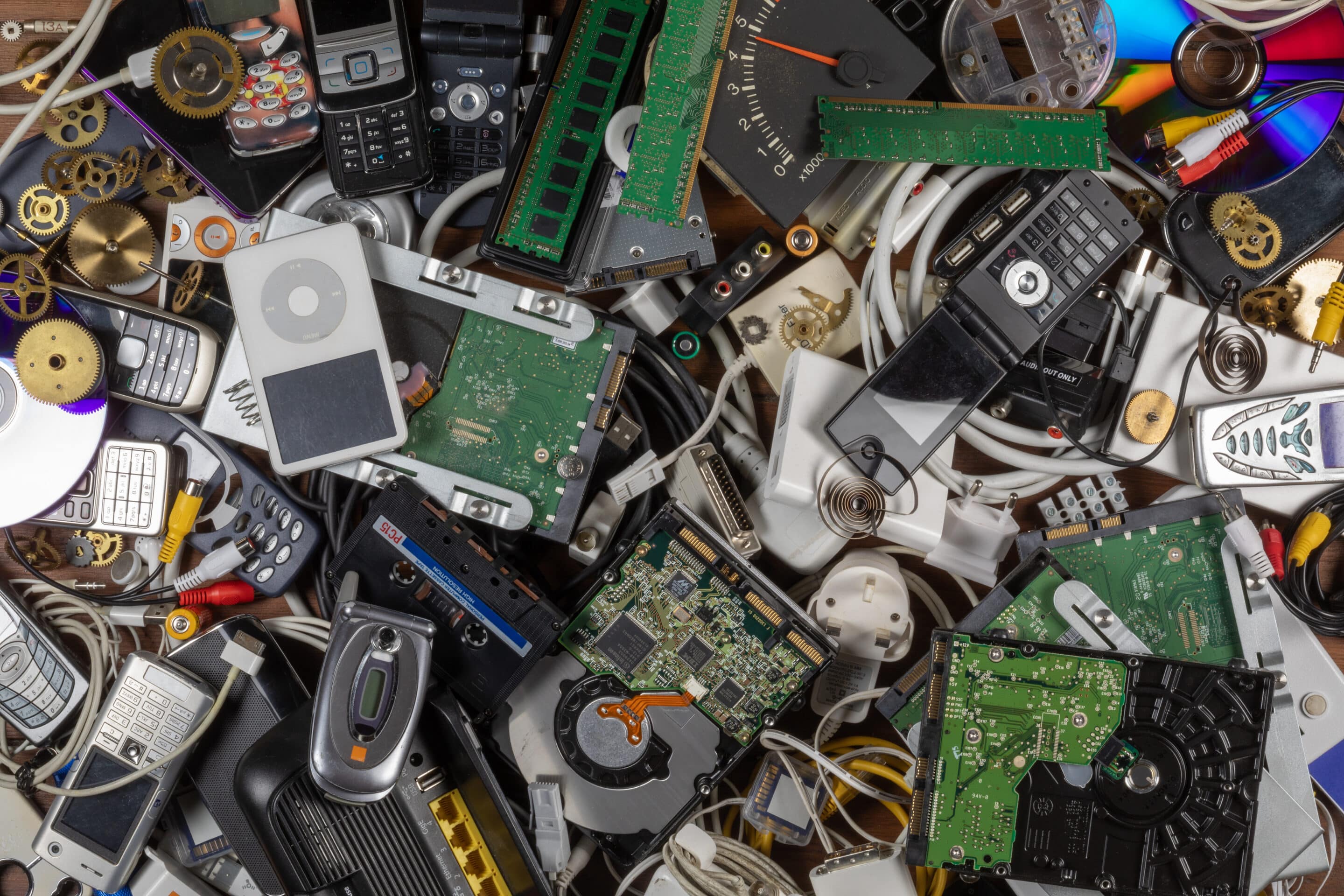
Stichting OPEN misses opportunities to accelerate the circular transition in its application for a general binding declaration
This article analyzes the new AVV request by Stichting OPEN for e-waste, showing persistent failure to meet collection targets, producer-dominated governance, and minimal focus on reuse and lifetime extension in the 2025–2030 Action Plan. It also questions the AVV instrument’s effectiveness and the limited influence of stakeholders in the consultation process.
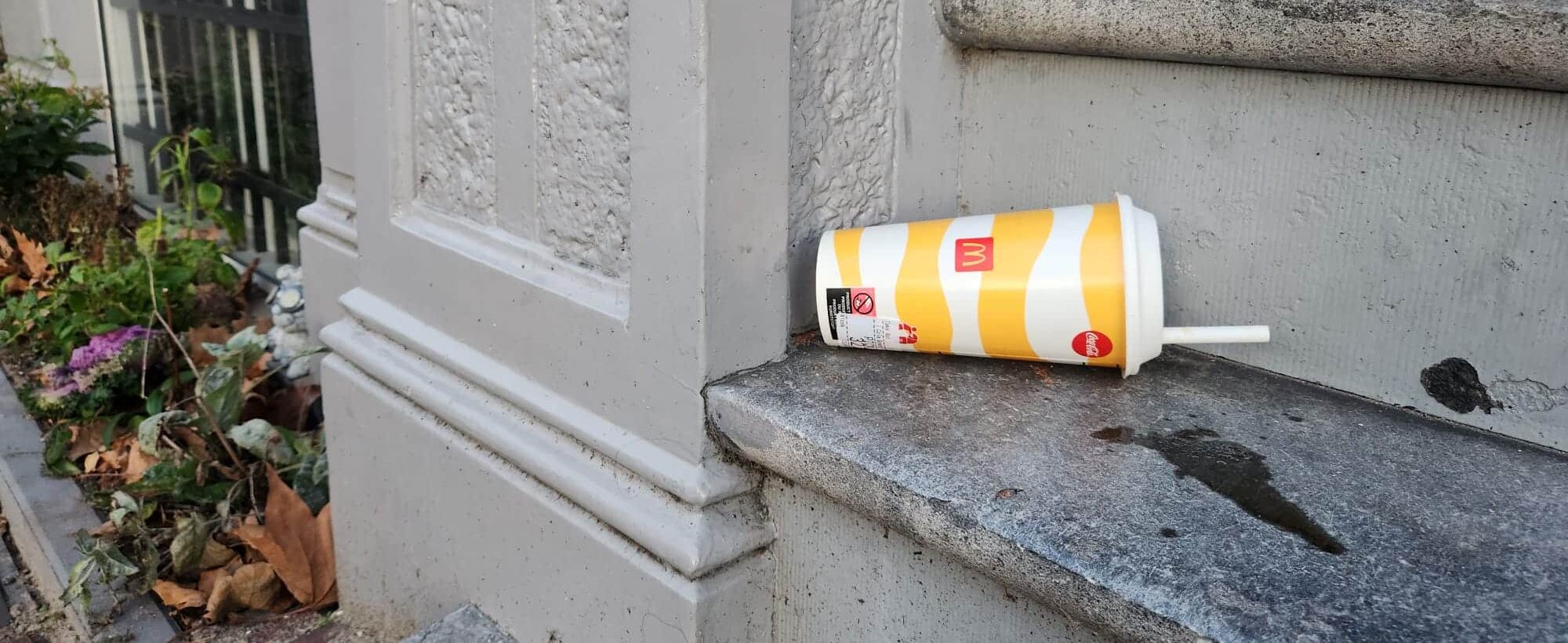
Customers pay the bill for McDonald’s pollution
For two years now, all hospitality establishments in the Netherlands have been required to serve food and drinks for on-site consumption in reusable packaging. However, since the summer of 2024, McDonald’s Netherlands has been violating the law by offering single-use cardboard cups with plastic coating in its restaurants. As a result, the country’s largest fast-food chain is not only non-compliant and wasting resources, but is even making customers pay extra
Read more
Joint Brief to Preserve the Integrity of the PPWR (november 2025)
A coalition of 115 signatories, including the Fair Resource Foundation, has submitted a joint letter to the European Commission. We express concerns about reopening the PPWR, a key pillar of Europe’s circular economy and essential for unlocking investment in sustainable infrastructure across the Single Market.
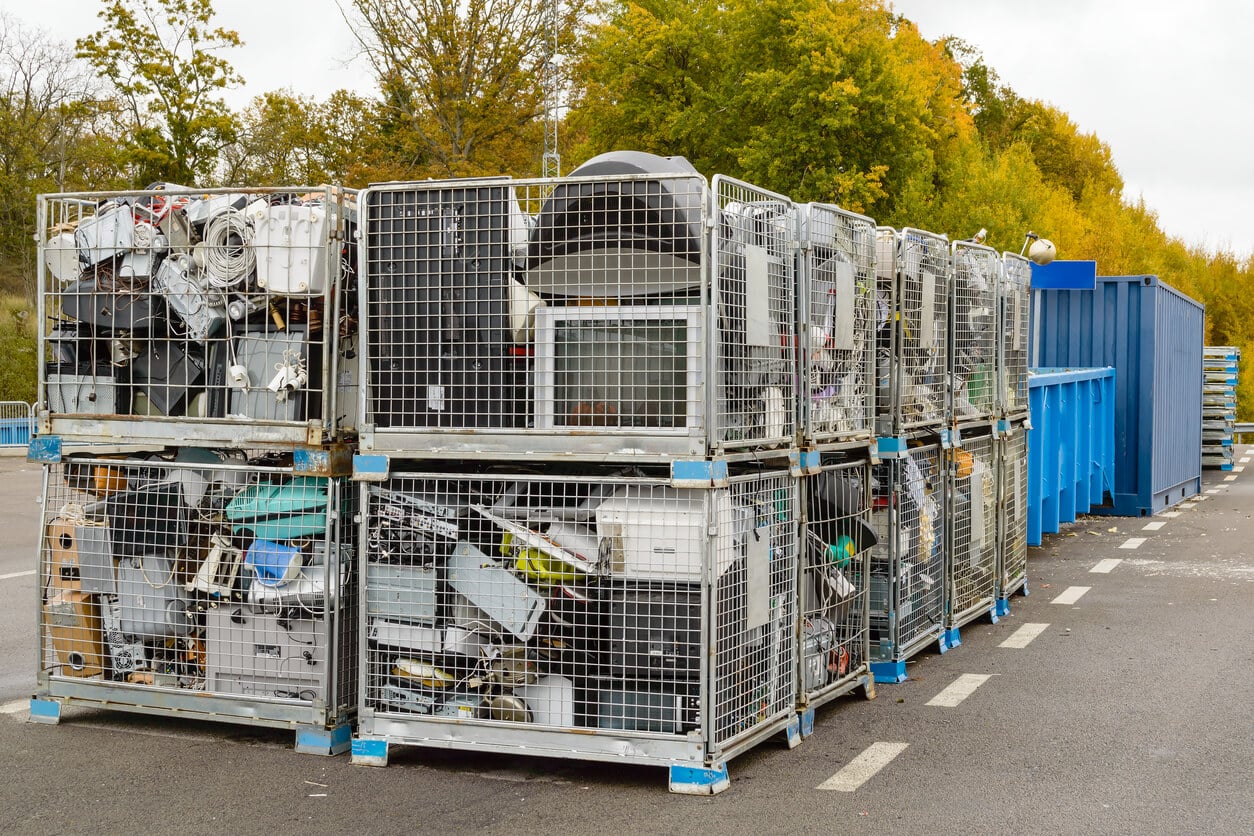
PwC report for Stichting OPEN advocates a monopoly within EPR, but overlooks criticisms
Stichting OPEN (formerly Wecycle) is the only Dutch producer responsibility organization for e-waste. They commissioned a study by PwC which showed that a market with a single PRO is the most effective and efficient way to implement the Extended Producer Responsibility (EPR). This outcome is favorable for Stichting Open, but how accurate is this conclusion?
Circular Economy Act consultation – input FRF
De invoering van Circular Economy Act is een belangrijke kans voor de Europese Unie om een alomvattend wetgevingskader te ontwikkelen dat de circulaire transitie versnelt die zo dringend nodig is in Europa. De huidige geopolitieke spanningen bieden de gelegenheid om de lineaire manier waarop de Europese economie traditioneel functioneert echt in vraag te stellen en te laten zien hoe een meer onafhankelijke, duurzame economie vorm zou moeten krijgen.
In the media
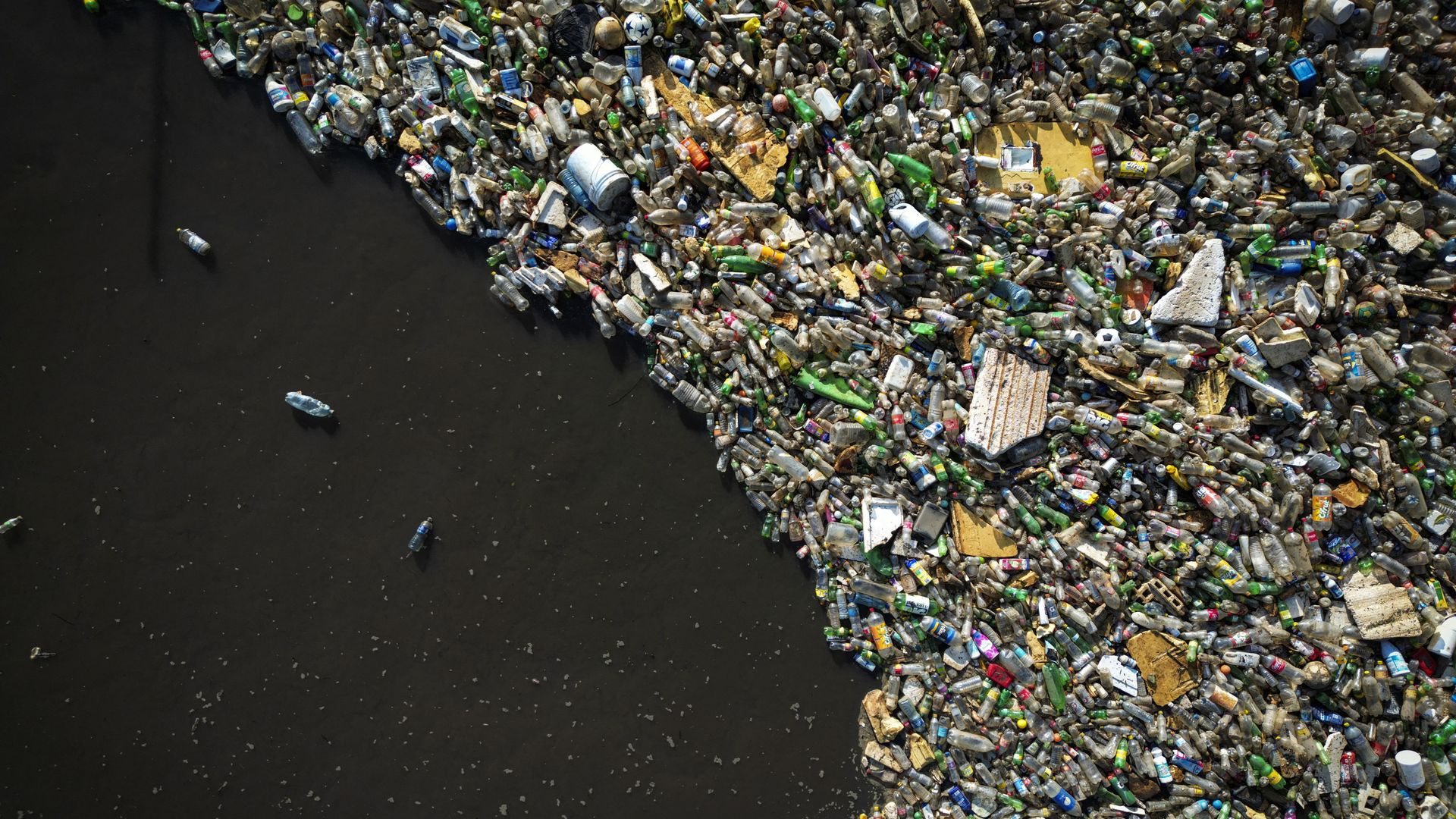
Failure of the sixth round of negotiations on a global Plastic Treaty
Our colleague Karl comes back on the failed INC 5.2. on NOS: “It is clear that consensus is impossible here. No agreement is better than a weak treaty that condemns us to further stagnation, or even regression.”
NPO Deposit may be increased to 1 euro: is that a good idea?
Our colleague Maarten van Heuven discusses the possible increase in the deposit to €1 on Dit is de Dag (NPO).
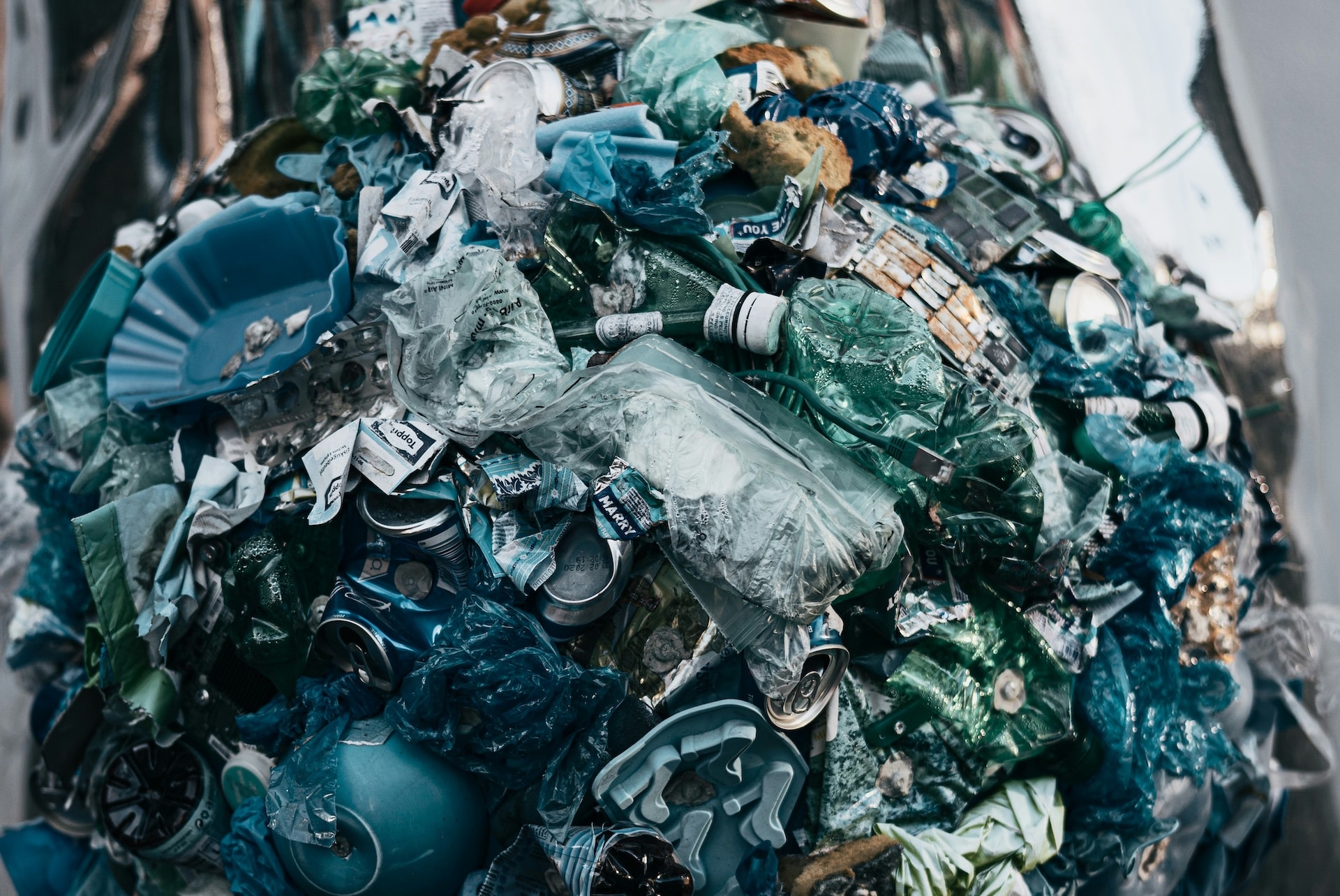
Als de hele wereld onze blauwe zak overneemt, is de plasticcrisis dan voorbij?
In an article on the Plastic Treaty and the importance to close the tap on plastic production, our colleague Chloé gives insights on what needs to happen in Belgium to contribute to solving the issue.