Multinationals willen nieuwe EU-regels tegen wegwerpverpakkingen saboteren, wij proberen ze te stoppen
Drie maanden voor de ingang van nieuwe Europese wetgeving voor minder wegwerpverpakkingen, meer hergebruik en een einde aan giftige PFAS in voedselverpakkingen (verpakkingsverordening PPWR ) proberen multinationals de regels alsnog tegen te houden. Terwijl de wereld in toenemende mate overspoeld wordt door verpakkingsafval, lobbyen 138 CEO’s waaronder die van Heineken, McDonald’s, Coca-Cola, Red Bull, Mondeléz en Kraft Heinz via een uitgelekte brief aan de Europese Commissie, het Europees Parlement en de Europese Raad opnieuw voor uitstel en afzwakking van deze belangrijke regels vanwege ‘onduidelijkheden’. Maar onze gezondheid en leefomgeving kunnen niet wachten op miljardenbedrijven die verandering lastig vinden. Daarom roepen we, samen met meer dan 160 NGO’s, de Europese Commissie op om niet te buigen voor deze bedrijven.

De prijs van uitstellen: gezondheidsproblemen, kosten en vervuiling
In de brief van de CEO’s worden meerdere redenen gegeven voor hun eisen. Een van de punten waar de bedrijven zich tegen verzetten, is het verbod op PFAS in verpakkingen, vanwege geclaimde onduidelijkheden in testmethoden. PFAS worden ook wel de ‘eeuwige chemicaliën’ genoemd en kunnen ernstige gezondheidsproblemen veroorzaken. Elke vertraging bij de invoering van dit verbod vormt een risico voor onze gezondheid. Bovendien is dit flauwekul: zoals emeritus-hoogleraar, gespecialiseerd in milieuchemie en toxicologie, Jacob de Boer in dit NRC artikel verklaart, bestaan er voldoende erkende testmethoden.
Een andere claim van de CEO’s is dat hergebruik vaak geen milieuvoordeel oplevert en dat wegwerpverpakkingen voor dranken beter scoren. Deze drogredenen worden aangevoerd, omdat hun verdienmodel gebaseerd is op wegwerp en het afwentelen van de kosten op onze gezondheid, onze leefomgeving en onze portemonnee.
Geen nieuwe actie
De lobbybrief is de zoveelste heimelijke poging van verpakkingsbedrijven en andere marktpartijen uit onder andere de frisdrank-, fastfood-, en supermarktsector om de verpakkingswetgeving uit te hollen. Eerder waren deze bedrijven al succesvol: een uitgelekte eerste versie van deze regels werd afgezwakt door een intensieve lobby-campagne, onder leiding van McDonald’s en haar leveranciers. De fastfoodketen laat haar eigen omschakeling naar herbruikbare verpakkingen ook bewust falen, om vervolgens te doen alsof hergebruik niet werkt en zo haar wegwerpmodel te beschermen. Dezelfde bedrijven, waarvan velen tot de grootste vervuilers ter wereld behoren, pleitten eveneens tegen maatregelen voor minder wegwerpplastic en minder zwerfafval in de Europese Single-Use Plastics Directive.
Opvallend is bovendien dat lang niet alle grote spelers deze brief hebben ondertekend en mogelijk dus niet achter deze last-minute actie staan.
Ongekende omvang verpakkingsmarkt en -problematiek
We gebruiken steeds meer verpakkingsafval.In 2023 werd in de EU 79,7 miljoen ton verpakkingsafval geproduceerd, ofwel 177,8 kg per inwoner. Dit cijfer ligt 21,2 kg hoger dan in 2013.Van al het geproduceerde verpakkingsafval bestond 40,4% uit papier en karton, 19,8% uit (bio)plastic, 18,8% uit glas, 15,8% uit hout (vnl. pallets en kisten), 4,9% uit metaal en 0,2% uit overige verpakkingen.
De verpakkingsindustrie is veruit de grootste afnemer van plastic en papier en karton. De markt voor papieren verpakkingsmaterialen werd in 2024 geschat op 220 miljard euro en zal naar verwachting in 2033 een omvang van 300 miljard euro bereiken.
De hoeveelheid plastic verpakkingsafval groeit veel sneller, dan de gerecyclede hoeveelheid.In 2023 werd er gemiddeld 35,3 kg plastic verpakkingsafval geproduceerd per inwoner van de EU. Hiervan werd 14,8 kg gerecycled. Tussen 2013 en 2023 steeg de hoeveelheid geproduceerd plastic verpakkingsafval met 6,4 kg per hoofd van de bevolking, terwijl de gerecyclede hoeveelheid met 3,8 kg toenam.
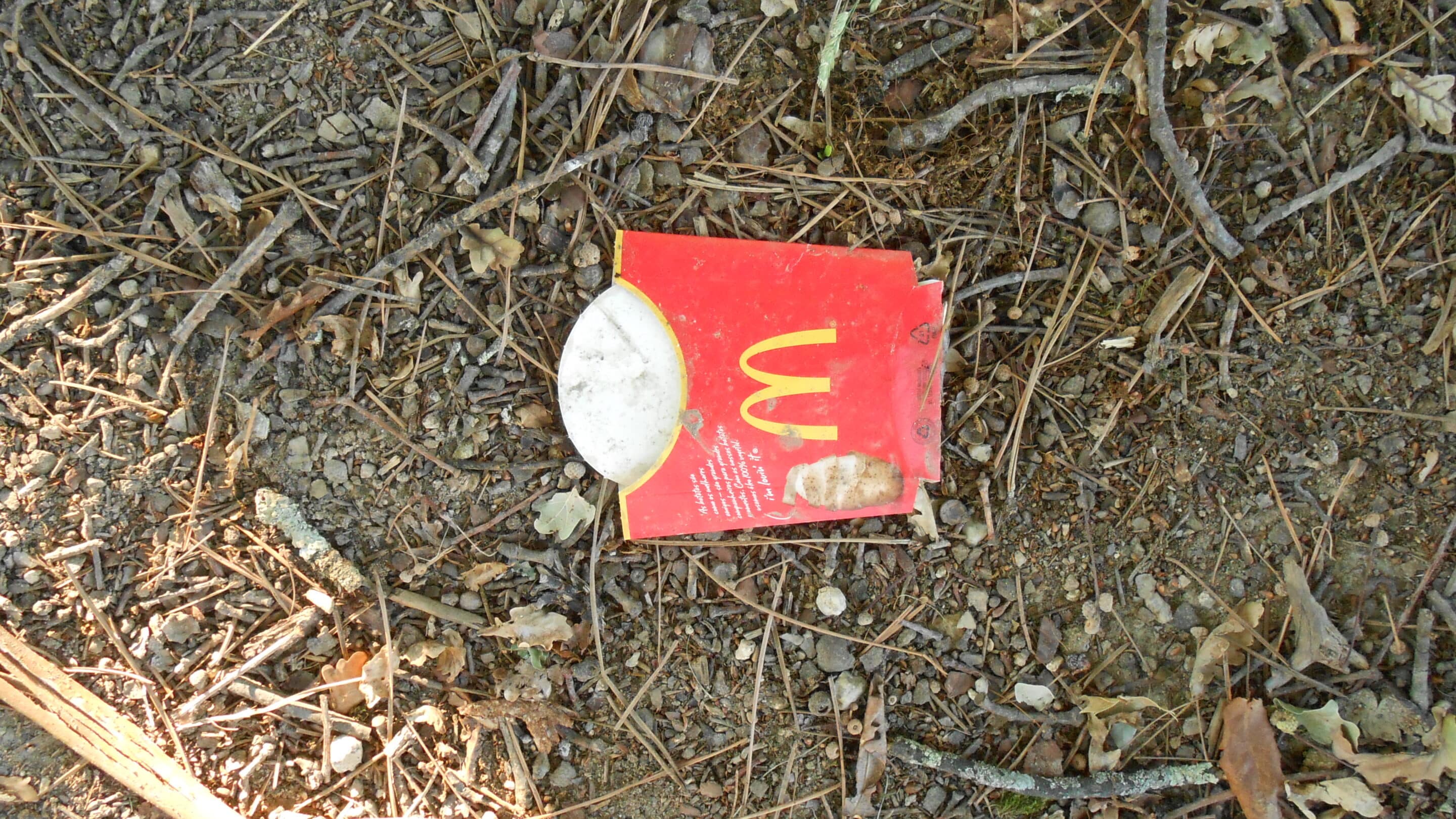
Meer wegwerpverpakkingen betekent meer zwerfafval.Verpakkingen maken al decennialang, samen met sigarettenfilters, de top-10 (!) van meest gevonden items in het zwerfafval wereldwijd compleet, denk aan: flessen, doppen, bekers, borden, voedselbakjes en tassen.
Brede coalitie van NGO’s toont tegengeluid
In onderstaande brief roepen Fair Resource Foundation en 160 andere milieu- en gezondheidsorganisaties de Europese Commissie op om het nieuwe verpakkingsbeleid dat eerder al afgezwakt is volgens planning en volledig uit te voeren. De invoering van deze regels (de PPWR) is essentieel om verpakkingsafval te verminderen, zwerfafval tegen te gaan, onze gezondheid te beschermen tegen giftige PFAS-verpakkingen en een begin te maken met een einde aan Europa’s wegwerpeconomie. Daarmee bouwen we de weg naar een schonere en rechtvaardiger wereld met lagere kosten voor de samenleving (denk aan afvalverwerking, zwerfafval, milieuvervuiling en gezondheid) en verbeterde leef- en werkomstandigheden voorwaste pickerswereldwijd.
Lees onze ondertekende brief en het persbericht van het Break Free From Plastic-netwerk.